


-

Add: HeBei ShengShi HongBang Cellulose Technology CO.,LTD.
-

Email
13180486930@163.com -

CONTACT US
+86 13180486930

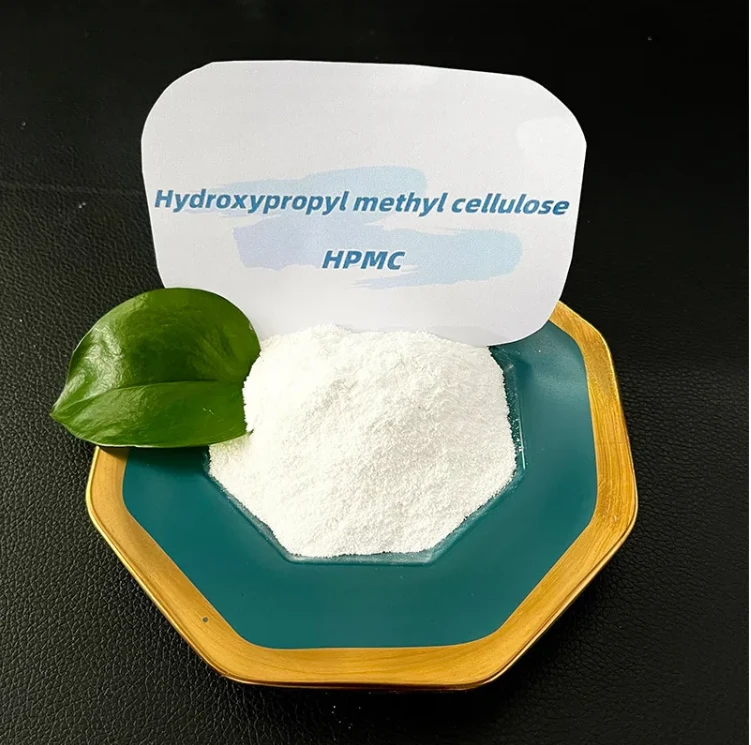
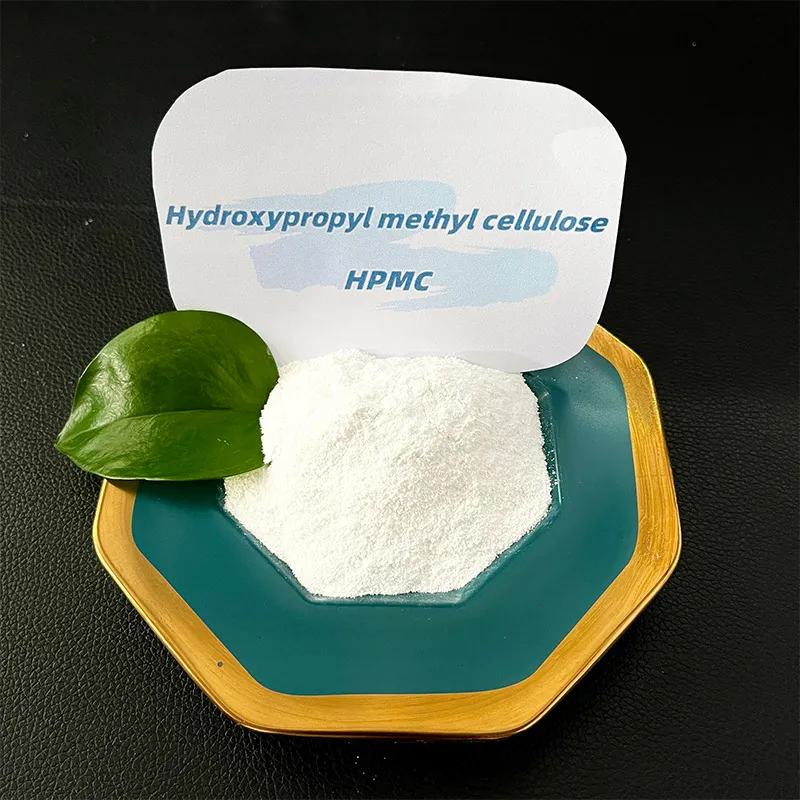
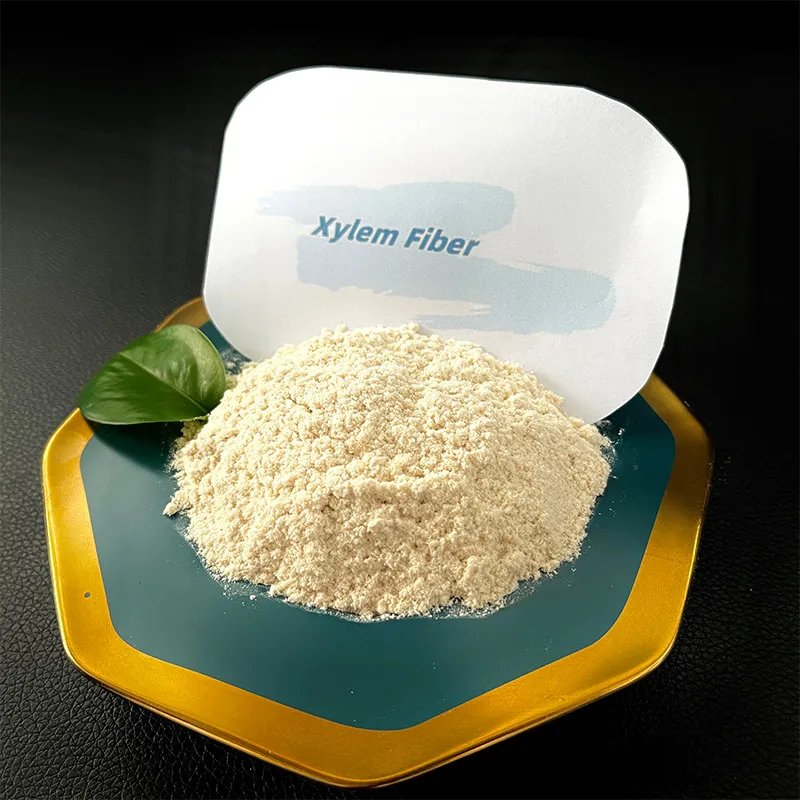


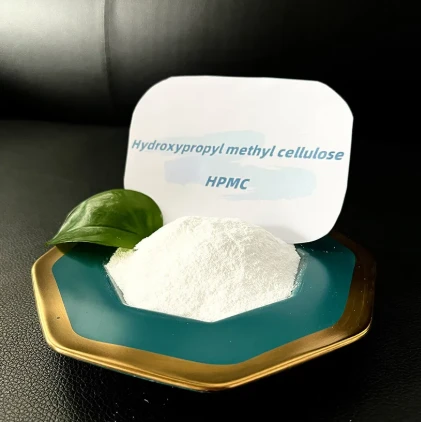
Hydroxypropyl methylcellulose (HPMC) E15 is a versatile polymer used widely in various industries due to its exceptional properties. Known for its high quality and consistent performance, HPMC E15 is a product that guarantees effective solutions in applications ranging from pharmaceuticals to construction. Professionals across the globe trust this specific grade for its unique characteristics and benefits. One of the defining properties of HPMC E15 is its solubility in both hot and cold water, allowing for flexibility in formulation development. This feature makes it ideal for use in products where precise control of viscosity is required. Unlike other cellulose ethers, HPMC E15 maintains stability across a broad range of temperatures, making it reliable for applications exposed to extreme environmental conditions. In the pharmaceutical industry, HPMC E15 is esteemed for its role as an excipient, where it serves as a binder, film former, and controlled-release agent. Its non-ionic nature ensures compatibility with a wide array of active pharmaceutical ingredients (APIs), contributing to the efficiency of drug formulations. The ability of HPMC E15 to form a gel upon hydration is particularly valued in creating controlled-release drug delivery systems, optimizing the therapeutic effect by maintaining consistent drug levels in the bloodstream over time. From the perspective of food technology, HPMC E15 offers remarkable properties as a stabilizer, emulsifier, and thickener. Its ability to control the texture of food products without altering flavor or aroma makes it highly sought after. HPMC E15 is extensively used in gluten-free recipes, where it mimics the viscoelastic properties of gluten, thereby improving the texture and moisture retention of baked goods. hpmc e15 properties In the construction industry, HPMC E15 is recognized for enhancing the performance of cement-based products. It improves the workability of mortar, acts as a water retention agent, and prevents segregation, ensuring a uniform mix. Moreover, it increases the open time of mortars, allowing for better adhesion and ease of application. These attributes not only enhance the quality of the work but also contribute to reducing overall costs by minimizing material waste and increasing application efficiency. The synergy of HPMC E15’s properties ensures its authoritative position in these industries . Its biocompatible and biodegradable nature further underscores its environmental and consumer safety credentials, addressing regulatory concerns and promoting sustainability. The trustworthiness of HPMC E15 is underscored by rigorous testing and certifications from industry-standard bodies, ensuring that it complies with health and safety regulations globally. From an expertise standpoint, selecting HPMC E15 involves understanding the nuanced benefits it provides over other grades or comparable products. Experts recognize that the balance of viscosity, gel formation, and thermal stability can significantly affect final product performance, making HPMC E15 a vital component in high-performance applications. In summary, the admirable properties of HPMC E15 contribute to its status as a multifunctional material. Its consistent quality and reliable performance across industries attest to its value, substantiating its widespread adoption. Professionals leveraging these properties can innovate and enhance product offerings, maintaining a competitive edge in their respective fields. By focusing on the individual characteristics and the collective benefits of HPMC E15, industry practitioners can optimize its use effectively, reinforcing its status as a trusted agent of change and efficiency.
- 40000tons

Production
- 20+years

Experience
- 5000+㎡

Acreage

-
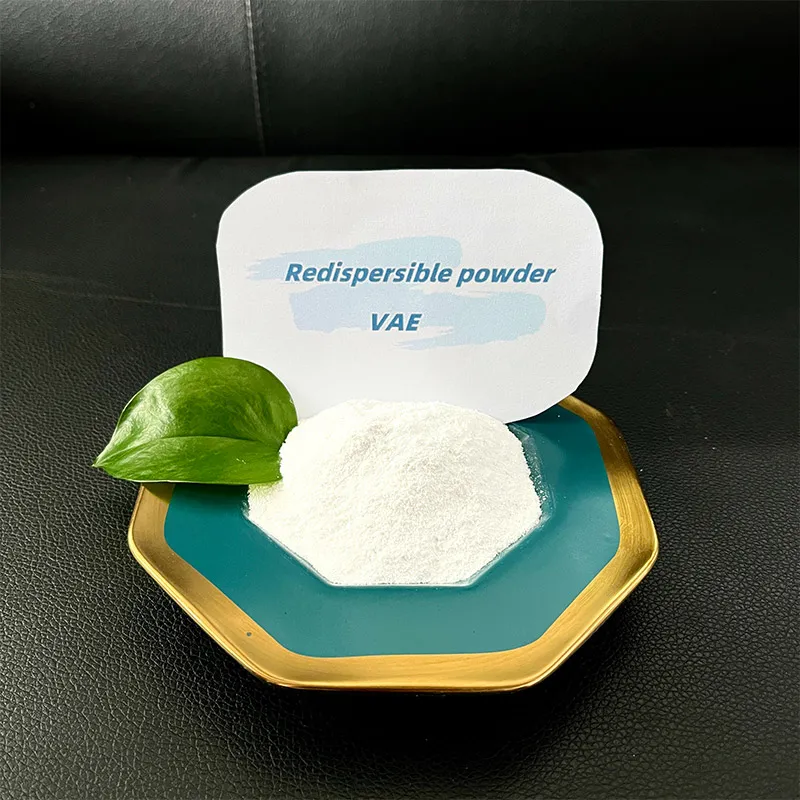
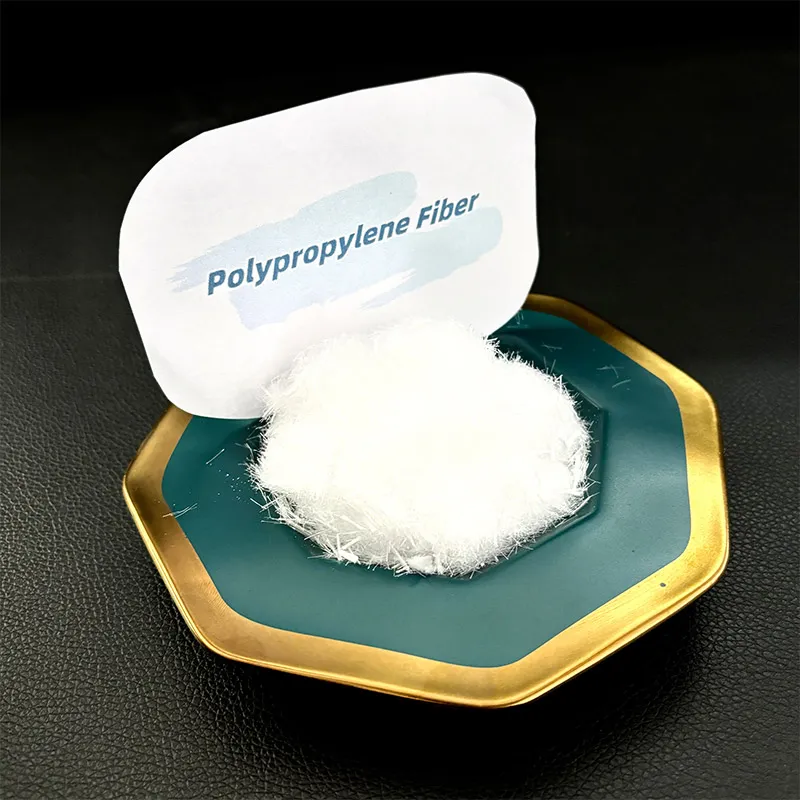
In recent years, polypropylene fiber for sale has gained significant traction as an essential additive in construction, particularly in the production of high-performance concrete. These fibers, made from a synthetic polymer, offer a wide range of benefits that improve the durability, strength, and performance of concrete structures. Whether you are constructing roads, buildings, or pavements, integrating polypropylene fiber for sale into your concrete mix can lead to superior results. The popularity of polypropylene fiber for sale has skyrocketed due to its cost-effectiveness and ability to enhance the physical properties of concrete. This type of fiber is known for its resistance to corrosion, reduced cracking, and improved overall flexibility. As an integral part of modern construction materials, polypropylene fiber for sale helps increase the longevity of concrete, reducing the need for frequent repairs or maintenance. In this article, we’ll explore the various uses of polypropylene fiber , how it improves pp fiber concrete , and the differences between fibre natural and synthetic fibers. The Role of Polypropylene Fiber in Concrete Applications Polypropylene fiber plays a crucial role in improving the structural integrity and performance of concrete. These fibers are incorporated into concrete mixtures to prevent cracking and improve the material's resistance to wear and tear. Polypropylene fiber works by distributing the stress throughout the concrete, thereby reducing the potential for cracking caused by shrinkage, thermal expansion, or external loads. When added to pp fiber concrete , these fibers enhance the overall toughness and impact resistance of the material, making it more resilient to sudden stresses, vibrations, and other environmental factors. Unlike traditional reinforcement methods, polypropylene fiber does not compromise the workability of the concrete but instead improves its flow and ease of application. The fibers help maintain uniformity and consistency in the mixture, ensuring that the concrete sets correctly and performs well over time. Whether you are working on residential, commercial, or infrastructure projects, the inclusion of polypropylene fiber in your concrete mix can lead to more durable and long-lasting results. It is especially useful in areas subject to frequent temperature fluctuations, freeze-thaw conditions, or high traffic, where concrete's performance is often tested. Benefits of Using PP Fiber Concrete in Modern Construction The use of pp fiber concrete is rapidly becoming a standard in modern construction due to its numerous advantages. PP fiber concrete refers to concrete that has been reinforced with polypropylene fibers, providing an added layer of protection and strength. This type of concrete has been shown to exhibit superior resistance to cracking, especially when exposed to shrinkage or tension stresses during the curing process. One of the key benefits of pp fiber concrete is its enhanced durability. The polypropylene fibers act as micro-reinforcements, which help distribute stress and absorb shock, significantly reducing the risk of cracks and improving the concrete's overall lifespan. This is particularly important in environments subject to heavy wear, such as highways, bridges, and industrial flooring. PP fiber concrete also has improved flexibility compared to traditional concrete, which allows it to handle dynamic forces without failing. Understanding Fibre Natural and Synthetic Variants When it comes to reinforcing materials, there are two primary categories of fibers: fibre natural and synthetic . Understanding the differences between these two types is crucial for selecting the right fiber for specific applications. Fibre natural fibers, such as those derived from plant sources like hemp, jute, and flax, are renewable and biodegradable, offering an eco-friendly alternative for construction applications. These fibers are primarily used in lightweight and non-structural concrete applications where sustainability and environmental impact are key concerns. However, fibre natural fibers generally have lower strength and durability compared to their synthetic counterparts, and they may be more susceptible to degradation in humid or wet environments. When it comes to pp fiber concrete , synthetic fibers like polypropylene fiber are the best option for enhancing performance, as they offer superior resistance to mechanical stresses and environmental conditions. Fibre natural fibers, while useful in some niche applications, do not provide the same level of performance and longevity as polypropylene fiber in concrete reinforcement. Polypropylene Fiber for Sale: Cost-Effectiveness and Availability If you are considering incorporating polypropylene fiber into your construction projects, polypropylene fiber for sale is widely available and cost-effective. The price of polypropylene fiber for sale is influenced by several factors, including the quality, quantity, and source of the material. However, despite these variables, polypropylene fiber for sale remains one of the most affordable options for reinforcing concrete, making it an attractive choice for contractors looking to improve concrete strength without raising project costs. Purchasing polypropylene fiber for sale in bulk or through trusted suppliers ensures that you get high-quality material at competitive prices. Whether you’re working on a large-scale infrastructure project or a smaller residential build, polypropylene fiber for sale can be an economical way to enhance the durability and performance of your concrete without breaking the budget. Given its long-lasting benefits and relatively low cost, polypropylene fiber for sale offers excellent value for money in both short- and long-term construction projects. P olypropylene fiber for sale , particularly in the form of pp fiber concrete , offers significant advantages in construction projects, making it an ideal choice for enhancing concrete durability, strength, and performance. The use of polypropylene fiber can improve the workability of concrete, reduce the risk of cracking, and extend the lifespan of structures. With its cost-effectiveness, superior resistance to environmental conditions, and availability in the market, polypropylene fiber for sale is an essential material for modern construction. Whether you are looking to strengthen your concrete or improve its overall performance, incorporating polypropylene fiber into your mix is a smart investment. By understanding the differences between fibre natural and synthetic fibers, you can make informed decisions about which reinforcement material best suits your needs. With the growing demand for durable, long-lasting construction materials, polypropylene fiber is quickly becoming a staple in the construction industry.
-
Le HPMC 606, connu sous le nom de hydroxypropylmethylcellulose, est un polymère essentiel dans nombreux secteurs industriels, allant de la construction à la pharmaceutique. Ayant travaillé pendant plus d'une décennie dans le domaine des matériaux polymères, je partage ici des expériences, des connaissances et des conseils pour optimiser l'utilisation du HPMC 606, garantissant ainsi son meilleur rendement. Dans l'industrie de la construction, le HPMC 606 est salué pour sa capacité à améliorer la consistance et la performance des mélanges. Grâce à ses propriétés thixotropiques, il agit comme un agent épaississant et rétenteur d'eau dans les mélanges à base de ciment et de plâtre. Pour maximiser son efficacité, il est crucial de choisir la bonne viscosité et le poids moléculaire adapté aux besoins spécifiques du projet de construction. Une mauvaise sélection peut entraîner des temps de prise prolongés ou une résistance inférieure. Mon expérience montre que les formulations doivent être ajustées en fonction des conditions climatiques pour maintenir un équilibre optimal entre mouillage et adhérence. Le secteur pharmaceutique bénéficie grandement du HPMC 606, notamment dans la fabrication de comprimés à libération prolongée. Sa capacité à former des matrices géloïdes permet une diffusion contrôlée du médicament, améliorant ainsi la biodisponibilité et garantissant une libération uniforme. Pour les entreprises qui cherchent à obtenir une autorisation de mise sur le marché, la transparence sur la pureté et la stabilité du HPMC utilisé est cruciale. Assurez-vous de tester chaque lot pour prévenir les variations qui pourraient affecter l'efficacité thérapeutique du produit fini. Hpmc 606 Dans le domaine des produits alimentaires, bien que moins conventionnel, le HPMC 606 est utilisé pour ses qualités texturantes et stabilisantes. En tant que spécialiste en science des aliments, il est fascinant de voir comment ce polymère peut être employé pour créer des textures sans gluten dans les produits de boulangerie, tout en maintenant l'élasticité et le volume, reproduisant ainsi fidèlement les qualités du blé traditionnel. Pour une adoption réussie du HPMC 606 dans vos processus industriels, il est impératif de favoriser une collaboration étroite avec les fournisseurs. Ils peuvent fournir des échantillons pour tests et offrir des conseils sur les formulations uniques. La fiabilité du fournisseur joue un rôle crucial, car la cohérence de la qualité assurera la pérennité et le succès de vos produits. En conclusion, le HPMC 606 représente un matériau polyvalent aux applications diversifiées . Pour les professionnels cherchant à améliorer l'efficacité et la qualité de leurs produits, une compréhension approfondie de ses propriétés physiques et chimiques est essentielle. Grâce à des essais rigoureux et une adoption réfléchie, le HPMC 606 peut transformer les productions industrielles, apportant innovation et durabilité. Dans un monde où la confiance et la qualité règnent sur le choix des matériaux, le succès réside dans une application informée et stratégique des ressources disponibles.
advantages
-

200000 Viscosities
Excellent product
We can produce pure products up to 200,000 viscosities
-

40000 tons
High yield
We don’t stop production all year round, and the annual output can reach 40,000 tons
-

24 hours
Quality service
We provide 24-hours online reception service, welcome to consult at any time
———— Inquiry Form
Schedule A services



-
 celulosa_de_madera
Oct . 25, 2025
Hydroxypropyl methylcellulose (HPMC) polymer is increasingly capturing the attention of researchers, -
 hibla_pp
Oct . 25, 2025
Retained eye comfort is often a top priority for individuals dealing with dry eyes. Among the myriad -
 hpmc_e50_viscosity
Oct . 25, 2025
When it comes to versatile materials in various industries, HPMC Hydroxypropyl Methylcellulose stand


